
 By hsish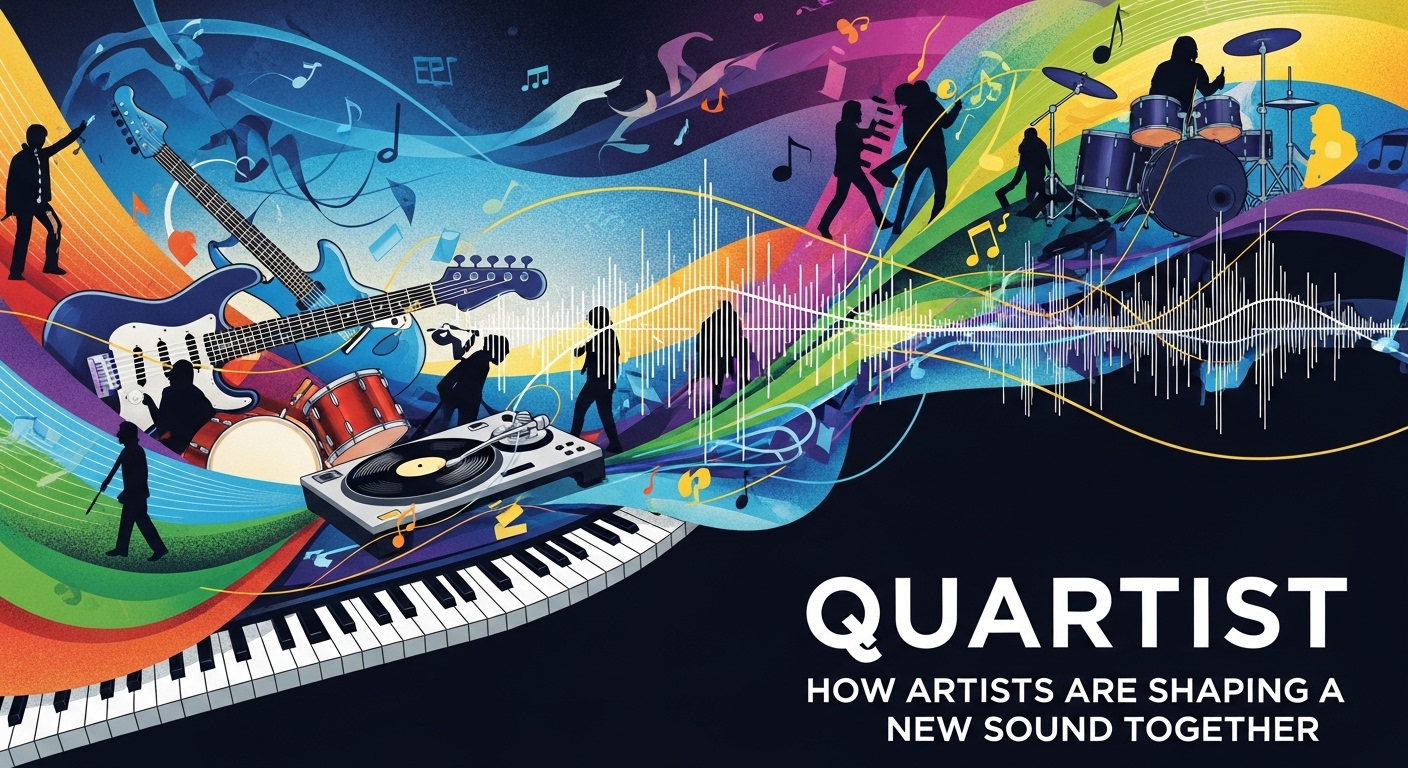
Music has always been a powerful form of expression, transcending boundaries and bringing people together. In recent years, a new trend has emerged that is reshaping the soundscape: Quartist. This innovative concept revolves around collaboration among artists from diverse backgrounds and genres. It harnesses technology to blend their unique styles into something fresh and exciting.
Imagine musicians sitting in different corners of the world, yet still creating harmonious melodies as if they were in the same room. The beauty of Quartist lies not just in its ability to unite voices but also in how it encourages experimentation and creativity. As we dive deeper into this phenomenon, we’ll explore how online platforms are revolutionizing music collaboration while highlighting successes that have come out of these partnerships. Prepare for a journey through the vibrant world of collaborative artistry!
The rise of online collaboration platforms
The digital age has revolutionized how artists create music. Online collaboration platforms are at the forefront of this transformation. They offer musicians a space to connect, share ideas, and produce tracks from anywhere in the world.
With tools like Soundtrap, Splice, and BandLab, artists can easily upload their work. These platforms enable seamless integration between different musical styles and genres. Musicians no longer need to be in the same room; creativity flows effortlessly across borders.
This shift has led to diverse sounds that reflect rich cultural fusions. Emerging talents find new opportunities for exposure and growth by collaborating with seasoned professionals.
Moreover, online platforms often come equipped with resources like tutorials and community forums. This means that even novices can learn from experienced artists while contributing their unique voice to collaborative projects. The landscape of music is changing rapidly as collaboration becomes central to artistic expression.
Benefits and challenges of working with other artists
Collaboration in music opens doors to new possibilities. Different perspectives can spark creativity. When artists come together, they blend styles and ideas, resulting in innovative sounds. This fusion often leads to music that resonates with wider audiences.
However, working with others isn’t without challenges. Creative differences may arise, leading to conflicts about direction or vision. Artists must navigate these tensions while striving for harmony in their work.
Communication becomes crucial during the collaboration process. Misunderstandings can derail a project fast if not addressed promptly.
Time management also plays a significant role when multiple creators are involved. Coordinating schedules and balancing commitments requires effort and organization.
Despite the hurdles, many find that the rewards far outweigh any difficulties encountered along the way.
Success stories of quartist collaborations
The world of Quartist has birthed remarkable collaborations that resonate across genres. One standout story features a hip-hop artist teaming up with an indie singer-songwriter. Their fusion created a refreshing sound that captivated listeners and topped charts.
Another inspiring example is a virtual band made entirely from artists around the globe. They combined elements of rock, jazz, and electronic music, resulting in a unique album celebrated for its diversity and creativity.
Then there’s the collaboration between seasoned musicians and emerging talents. This synergy not only revitalizes classic sounds but also introduces fresh perspectives to well-loved genres.
These success stories illustrate how Quartist empowers artists to break boundaries together. The impact is felt not just in their individual careers, but within the entire music landscape as they inspire others to embrace collaborative efforts too.
How quartist is changing the music industry
Quartist is revolutionizing the music industry by promoting collaboration over competition. Artists from various backgrounds are coming together, blending genres and styles in ways that were once unimaginable. This fusion leads to fresh sounds that resonate with diverse audiences.
The platform encourages musicians to step outside their comfort zones. They explore new techniques, share ideas, and challenge one another creatively. This not only enhances individual artistry but also fosters a sense of community within the industry.
Moreover, quartist democratizes music creation. It allows emerging artists to connect with established names easily. These collaborations break down barriers and create opportunities for all involved.
As more artists adopt this collaborative mindset, we witness the emergence of innovative projects that redefine what music can be. The boundaries between genres blur further as quartist continues to shape musical landscapes globally.
Future predictions for quartist and its impact on the music scene
As we look ahead, the future of Quartist holds exciting possibilities for musicians and fans alike. The platform is likely to evolve further, integrating advanced technologies like AI-driven collaboration tools. This could streamline the creative process and make it more intuitive.
New genres might emerge from these collaborative efforts, blending styles in ways we’ve never imagined. Artists could push boundaries by experimenting with diverse influences across different cultures.
Additionally, as more musicians embrace this model, we may see a shift in how music is marketed and consumed. Collaborative projects could lead to unique pop-up events or virtual concerts that draw global audiences together.
The community aspect will grow stronger as artists connect over shared passions rather than traditional genre labels. This openness can foster innovation while dismantling barriers within the industry. The landscape of music will undoubtedly transform—encouraging creativity through collaboration everywhere.
Embracing collaboration for a brighter future in music
Collaboration in music is not just a trend; it’s a movement. Artists are discovering that when they join forces, magic happens. Unique sounds emerge, blending influences from different genres and backgrounds.
This creative synergy breaks down barriers. Musicians can experiment with styles they might never explore alone. The result? Fresh tracks that captivate listeners in new ways.
With platforms allowing seamless connections, artists can work together regardless of distance. This fosters an environment where innovation thrives.
As the industry evolves, embracing collaboration could lead to unprecedented growth for emerging talents. By uniting diverse voices, the music landscape becomes richer and more inclusive.
The future is bright when creativity knows no bounds. Each partnership has the potential to reshape musical narratives and inspire generations to come.
Conclusion
Quartist represents a transformative shift in the music landscape. Artists are no longer confined by geographical boundaries or traditional recording methods. Instead, they can come together online, blending their unique sounds and styles to create something entirely new.
As collaboration becomes more accessible through various platforms, musicians of all backgrounds are discovering fresh opportunities for expression and growth. While challenges exist—like maintaining creative control or navigating differing visions—the benefits often outweigh them. Successful quartist collaborations continue to inspire and redefine what is possible in music.
Looking ahead, the impact of Quartist on the industry seems poised only to grow stronger. The future holds promise for even more innovative partnerships that push artistic boundaries further than ever before. Embracing this collaborative spirit could lead to a vibrant era where diverse influences coalesce into groundbreaking musical experiences.
The power of collaboration invites all artists to engage with one another, fostering creativity and pushing each other toward greater heights. As we move forward, it’s clear that working together will pave the way for an exciting evolution in sound—a journey worth exploring as we listen closely for what’s next.