
 By hsish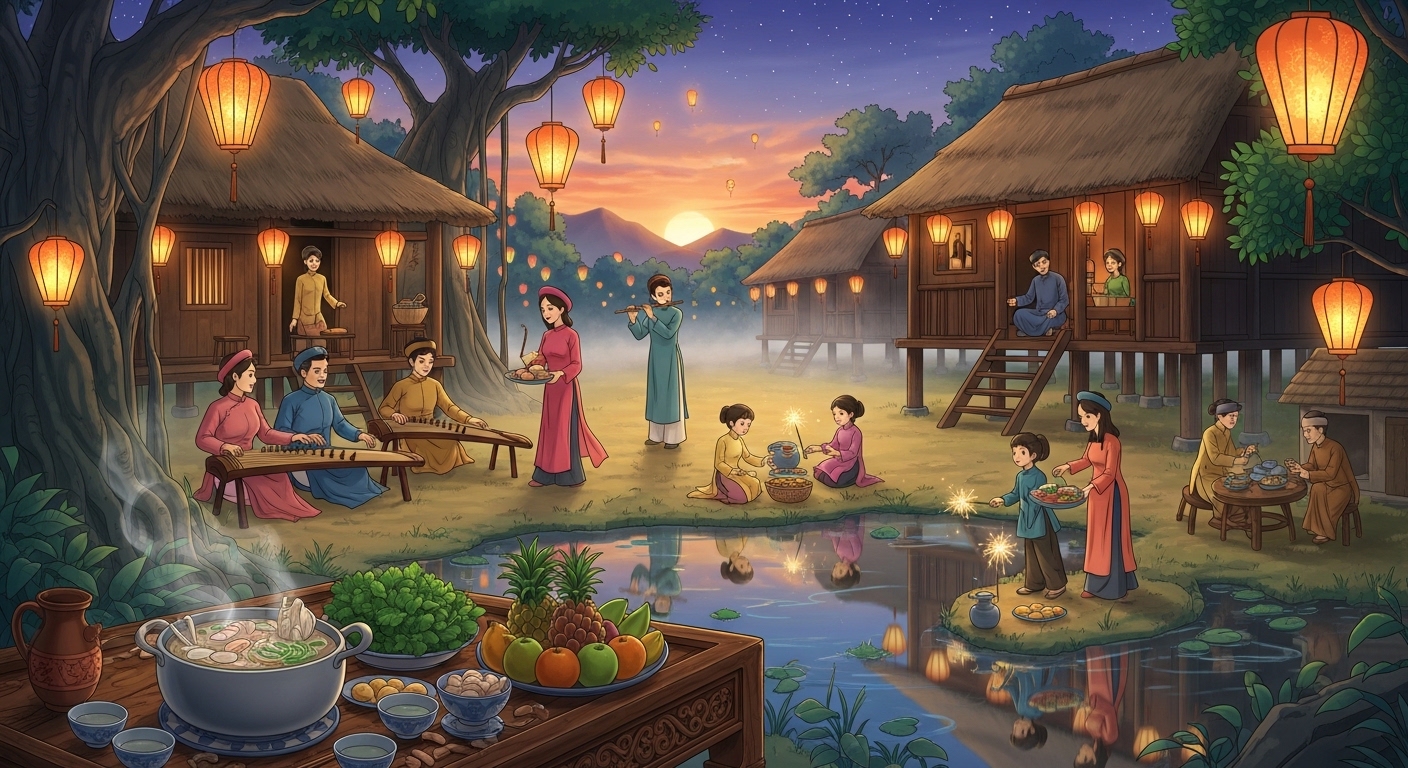
On a humid evening in a small Vietnamese town, an elderly storyteller sat outside his wooden house, sharing memories with younger listeners. Among tales of traditions, folklore, and cultural values, one word surfaced repeatedly—Đeman. It was not a word commonly heard by travelers or even by many younger Vietnamese citizens influenced by global culture. Yet, to those who understood it, Đeman carried layers of meaning tied to identity, tradition, and cultural expression.
For entrepreneurs, cultural researchers, and curious readers exploring global traditions, discovering words like Đeman opens a doorway into the deeper narrative of a society. Culture is often hidden in language, and language reveals how communities think, celebrate, and connect. In Vietnamese cultural discussions, Đeman has quietly emerged as a concept representing cultural nuance, storytelling heritage, and evolving identity.
Understanding Đeman is not simply about translating a word. It is about exploring how tradition survives within a rapidly modernizing world. In a global economy where ideas, cultures, and technologies intersect, concepts like Đeman provide insight into how heritage continues to influence creativity, communication, and social values.
Understanding the Cultural Meaning of Đeman
At its core, Đeman reflects an idea that blends storytelling, cultural identity, and emotional expression within Vietnamese communities. Unlike many terms that have direct dictionary definitions, Đeman carries contextual meaning shaped by history, environment, and collective memory.
In traditional settings, cultural expressions often arise through music, poetry, and oral storytelling. Vietnamese communities have long preserved their values through these mediums. Đeman frequently appears in discussions related to these artistic traditions, symbolizing authenticity and cultural continuity.
For cultural observers and entrepreneurs studying Southeast Asian markets, understanding such cultural markers is essential. Businesses operating internationally often succeed when they respect and integrate local traditions rather than ignoring them. Đeman, therefore, represents more than culture; it highlights the intersection between heritage and modern identity.
In a broader sense, the concept reminds us that innovation does not always come from new ideas alone. Sometimes, it emerges from rediscovering cultural foundations that have existed quietly for generations.
Historical Roots Behind Đeman
Vietnam’s cultural history spans thousands of years, shaped by agriculture, community cooperation, and storytelling traditions. Concepts like Đeman developed within this environment, where knowledge was passed orally rather than written in formal documents.
Village gatherings, festivals, and nighttime storytelling sessions played a major role in preserving cultural identity. During these events, elders would share experiences and myths that reflected moral lessons and community values. Within these narratives, Đeman often symbolized the emotional connection between people and their heritage.
As Vietnam experienced historical shifts—from dynastic eras to colonial influence and modern economic development—many traditional concepts evolved. However, the cultural memory tied to Đeman continued to appear in artistic and social contexts.
For modern readers and founders exploring cultural markets, recognizing these historical layers helps explain how cultural symbols maintain relevance. Even in an era dominated by digital communication, historical ideas like Đeman remain embedded in artistic storytelling and creative expression.
Đeman in Modern Vietnamese Society
While rooted in tradition, Đeman has not remained confined to the past. In contemporary Vietnam, cultural revival movements have sparked renewed interest in heritage, language, and identity.
Young creators, writers, and digital storytellers are increasingly exploring cultural concepts that connect modern audiences with traditional values. Within this environment, Đeman has gained attention as a cultural symbol that bridges generations.
For entrepreneurs and founders, this shift illustrates a broader trend. Around the world, younger audiences are seeking authenticity. They value brands, products, and stories that connect with deeper cultural narratives rather than purely commercial messaging.
Vietnam’s creative industries—including literature, film, music, and digital media—often draw inspiration from historical cultural ideas. When artists reference Đeman, they are not simply invoking nostalgia. They are reinforcing cultural continuity while adapting it for a modern audience.
This dynamic reflects a powerful lesson for global innovators: heritage can coexist with innovation.
Cultural Elements Associated With Đeman
To better understand how Đeman functions within cultural discourse, it helps to examine the elements commonly associated with it.
| Cultural Element | Connection to Đeman | Modern Relevance |
|---|---|---|
| Storytelling | Preserves oral traditions and historical narratives | Used in media, literature, and digital storytelling |
| Community Gatherings | Encourages shared cultural experiences | Inspires festivals and cultural events |
| Artistic Expression | Appears in poetry, music, and creative arts | Influences modern Vietnamese creators |
| Identity Preservation | Reinforces cultural heritage and values | Helps younger generations reconnect with tradition |
This relationship between tradition and modern application demonstrates why Đeman continues to hold cultural importance. Rather than fading into obscurity, it evolves alongside society.
For founders exploring cultural storytelling as a branding strategy, the table highlights an important insight: meaningful narratives often emerge from cultural heritage rather than manufactured marketing ideas.
Why Cultural Concepts Like Đeman Matter in a Globalized World
Globalization has connected markets and societies in unprecedented ways. Entrepreneurs and technology leaders frequently discuss innovation, disruption, and scalability. Yet cultural understanding remains one of the most powerful drivers of long-term success.
Concepts like Đeman illustrate how deeply culture influences human behavior. Consumer preferences, communication styles, and even leadership philosophies are often shaped by cultural narratives that exist beneath the surface.
When companies expand into new regions, they often focus on logistics and technology while overlooking cultural context. However, businesses that succeed globally usually demonstrate cultural awareness and respect.
For example, storytelling-driven branding strategies frequently resonate with audiences because they mirror traditional cultural communication patterns. In Vietnam, narratives influenced by ideas like Đeman align with community-centered values and emotional authenticity.
In this sense, cultural literacy becomes a strategic advantage.
The Role of Đeman in Creative Innovation
Creativity rarely develops in isolation. Instead, it often grows from the intersection of tradition and experimentation. Within Vietnam’s growing creative economy, Đeman has begun to inspire artists, designers, and digital creators.
Modern Vietnamese filmmakers, writers, and musicians frequently explore themes related to heritage and identity. By incorporating traditional cultural ideas, they create works that resonate locally while attracting international attention.
This approach reflects a broader trend across global creative industries. Audiences increasingly appreciate authenticity and cultural depth rather than generic content.
For entrepreneurs in technology and media sectors, this trend offers a valuable lesson. Innovation does not always require abandoning tradition. Instead, it can involve translating cultural ideas into new formats—digital platforms, immersive storytelling, and interactive experiences.
Through this lens, Đeman becomes more than a cultural concept. It becomes a source of creative inspiration.
Lessons Entrepreneurs Can Learn from Đeman
Although Đeman originates from cultural discussions, it carries valuable insights for founders and innovators. Cultural concepts often highlight principles that apply far beyond their original context.
One key lesson is the importance of narrative. People connect with stories far more than abstract ideas. Businesses that communicate their mission through meaningful storytelling often build stronger relationships with their audiences.
Another lesson lies in authenticity. Cultural traditions endure because they resonate emotionally with communities. Similarly, companies that demonstrate genuine purpose rather than artificial branding tend to earn greater trust.
Finally, Đeman illustrates the value of cultural awareness in global markets. Understanding local narratives, traditions, and symbols can transform a simple product into a meaningful experience for customers.
In an increasingly interconnected world, cultural intelligence is becoming as valuable as technological expertise.
The Future of Cultural Narratives Like Đeman
As Vietnam continues to grow economically and technologically, cultural identity will likely remain an important part of its development story. Younger generations are navigating a unique balance between global influence and traditional heritage.
Digital platforms have accelerated this cultural dialogue. Social media, online storytelling platforms, and independent publishing allow creators to share cultural narratives with global audiences.
Within this evolving landscape, Đeman represents a reminder that cultural depth cannot be replaced by technological advancement alone. Instead, technology often amplifies cultural voices that might otherwise remain hidden.
For researchers, entrepreneurs, and creators, exploring cultural concepts like Đeman offers insight into how societies preserve identity while embracing progress.
Conclusion
In a world driven by speed, innovation, and constant change, it is easy to overlook the quiet power of cultural heritage. Yet stories, traditions, and language continue to shape how people understand themselves and connect with others.
Đeman stands as a subtle but meaningful reflection of Vietnamese cultural identity. It represents storytelling traditions, emotional connection, and the ongoing dialogue between past and present.
For entrepreneurs, creators, and cultural explorers, the lesson is clear. Innovation becomes more meaningful when it respects the cultural foundations that inspire human creativity.
As global audiences increasingly value authenticity, cultural concepts like Đeman may gain renewed attention—not only within Vietnam but across international conversations about heritage, identity, and creative expression.
Understanding these cultural narratives does more than expand knowledge. It enriches the stories we tell, the businesses we build, and the connections we form in an interconnected world.