
 By hsish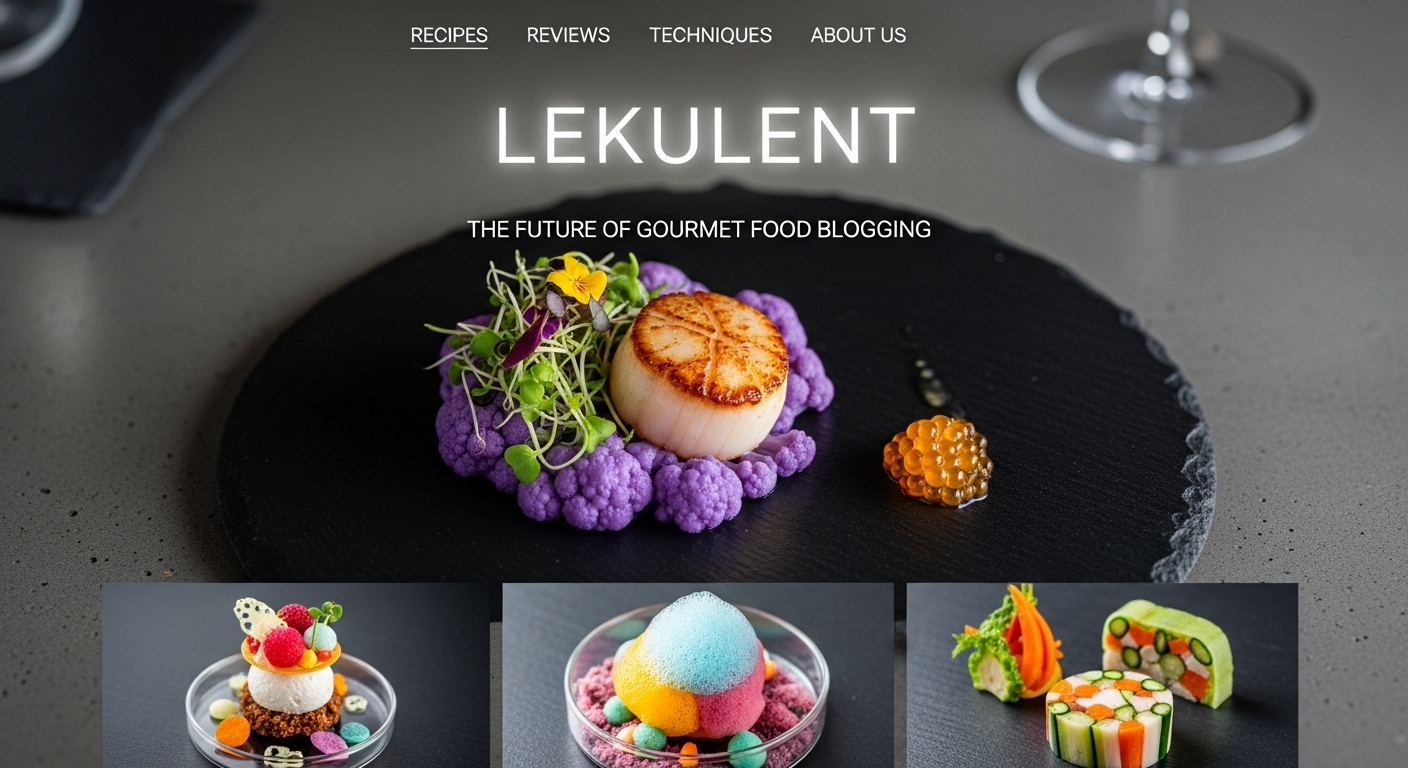
On a quiet Sunday afternoon, a young food blogger sat in a small kitchen, capturing the steam rising from a bowl of handmade pasta. The aroma of garlic, olive oil, and herbs filled the room, but what truly mattered was how the moment would translate online. In today’s world, food is no longer just about taste—it’s about experience, storytelling, and connection. This shift has given rise to platforms and concepts that blend culinary creativity with digital innovation. One such emerging idea is Lekulent, a modern approach to gourmet food blogging that focuses on storytelling, authenticity, and refined culinary exploration.
The internet is flooded with recipe blogs and food photography, yet only a few manage to create a genuine connection with readers. Gourmet food blogging is evolving beyond simple recipes and ingredients. Readers want context, emotion, culture, and personal insight. Lekulent represents that next step—an approach where food writing becomes immersive, thoughtful, and deeply engaging.
For entrepreneurs, tech readers, and founders exploring digital media trends, the concept of Lekulent signals something bigger than a food blog. It represents a new model for culinary storytelling that merges creativity, technology, and brand building into one powerful platform.
Understanding the Concept of Lekulent
At its core, Lekulent reflects the transformation of food blogging into a sophisticated digital experience. Traditional blogs often focused on recipes alone, but modern audiences expect more. They want to know where the ingredients came from, why the dish matters culturally, and what emotions or memories are attached to it.
Lekulent embraces this shift by placing storytelling at the center of gourmet content. Instead of simply presenting instructions, a Lekulent-style blog explores the narrative behind food—whether it’s a chef’s journey, a regional culinary tradition, or a modern reinterpretation of a classic dish.
This approach transforms the reader’s experience. Food becomes more than something to cook; it becomes something to understand and appreciate. Just as travel writers transport readers to distant places, Lekulent-style blogging transports them into kitchens, markets, and dining tables around the world.
Why Gourmet Food Blogging Is Evolving
The digital landscape has changed dramatically over the past decade. Social media platforms, video content, and mobile-first browsing have reshaped how audiences consume information. In the food industry, this transformation has been particularly visible.
A decade ago, a simple recipe blog with a few photos could attract thousands of readers. Today, audiences expect high-quality photography, thoughtful storytelling, and cultural insight. They want authenticity rather than mass-produced content.
The rise of gourmet food culture also plays a role. Consumers are more curious about ingredients, cooking techniques, and global cuisines. They want to explore artisanal products, sustainable cooking practices, and chef-inspired meals. As a result, the role of food bloggers has shifted from recipe publishers to culinary storytellers.
Lekulent captures this evolution by combining culinary expertise with engaging narrative. It encourages bloggers to focus not only on how food is prepared but also on why it matters.
The Storytelling Power Behind Lekulent
Storytelling is what separates memorable food writing from ordinary content. When readers feel emotionally connected to a dish or a cooking moment, they are far more likely to return to the blog.
A Lekulent-inspired approach treats each post like a magazine feature rather than a simple recipe page. Instead of listing ingredients immediately, the article might begin with a memory of a family gathering, a walk through a farmers’ market, or a conversation with a local chef.
These details create depth and authenticity. Readers begin to imagine themselves in the scene, smelling the spices and hearing the sounds of the kitchen. This immersive storytelling is what turns food blogging into a creative art form.
In many ways, Lekulent brings the sensibility of traditional food journalism into the modern digital world. It values narrative, culture, and personality as much as technical cooking knowledge.
Technology’s Role in Modern Food Blogging
Technology has dramatically expanded the possibilities for culinary content creators. High-resolution cameras, editing software, and mobile apps allow bloggers to produce professional-quality content from their own kitchens.
But the influence of technology goes beyond visuals. Data analytics helps bloggers understand audience preferences, while content management systems allow them to organize large libraries of recipes and stories.
Lekulent thrives in this environment because it integrates technology with storytelling. Bloggers can combine written narratives with video demonstrations, interactive ingredient guides, and immersive photography.
This blend of creativity and technology creates a richer user experience. Readers are not just consuming information—they are participating in a digital culinary journey.
What Makes Lekulent Different From Traditional Food Blogs
To better understand how this concept stands apart, it helps to compare its approach with traditional food blogging models.
| Aspect | Traditional Food Blog | Lekulent Approach |
|---|---|---|
| Primary Focus | Recipes and instructions | Story-driven culinary exploration |
| Content Style | Short and instructional | Narrative and magazine-style |
| Audience Engagement | Focus on cooking outcomes | Focus on experience and culture |
| Visual Content | Basic food photography | Artistic and immersive visuals |
| Brand Potential | Limited personal branding | Strong identity and storytelling |
This comparison highlights how Lekulent emphasizes depth and connection rather than volume. Instead of publishing dozens of simple posts, bloggers may create fewer but richer stories that resonate with readers.
Opportunities for Entrepreneurs and Creators
For entrepreneurs and digital creators, the rise of story-driven food blogging presents exciting opportunities. Culinary content has always attracted a passionate audience, but the Lekulent model allows creators to build more meaningful brands around their work.
Food bloggers can expand beyond recipes into areas such as culinary travel, ingredient sourcing, chef interviews, and cultural storytelling. These elements help transform a blog into a lifestyle platform.
Entrepreneurs may also see opportunities in partnerships with restaurants, food brands, and kitchen equipment companies. Because Lekulent-style blogs focus on authenticity and expertise, collaborations feel more natural and credible.
From a business perspective, this storytelling approach encourages long-term audience loyalty. Readers who feel connected to a blogger’s voice and experiences are far more likely to follow their journey over time.
The Cultural Influence of Gourmet Food Content
Food has always been closely tied to culture and identity. Each dish carries stories of history, geography, and tradition. Modern readers increasingly seek out these cultural connections when exploring culinary content.
Lekulent taps into this curiosity by encouraging writers to explore the deeper meaning behind food. A simple pasta recipe might become a story about Italian family traditions. A dessert post might explore the history of a regional ingredient.
By highlighting these cultural layers, food bloggers help readers understand the global significance of cuisine. This approach not only educates but also builds appreciation for culinary diversity.
In a world where digital content often feels disposable, thoughtful food storytelling offers something lasting and meaningful.
Building a Loyal Audience Through Authenticity
Authenticity has become one of the most valuable qualities in digital media. Readers can easily recognize when content is written purely for search engines or advertising.
Lekulent emphasizes honesty and personal voice. Bloggers share real experiences—both successes and failures in the kitchen. They describe the process of experimenting with flavors, discovering ingredients, and learning from mistakes.
This transparency builds trust. Instead of presenting an unrealistic image of perfection, bloggers invite readers into their creative process.
Over time, this authenticity creates a loyal community. Readers return not only for recipes but also for the personality and perspective behind the blog.
The Future of Gourmet Food Blogging
As digital media continues to evolve, gourmet food blogging will likely become even more immersive. Video storytelling, virtual cooking experiences, and interactive recipe guides are already gaining popularity.
The Lekulent philosophy fits perfectly into this future. Its emphasis on narrative, culture, and creativity aligns with the broader shift toward meaningful content.
Instead of competing for attention with endless short posts, bloggers who embrace this approach focus on depth and quality. They treat each article as an opportunity to tell a story, share knowledge, and inspire curiosity.
For tech-savvy creators and entrepreneurs, this represents a powerful direction for digital publishing. Culinary storytelling is no longer limited to magazines or television—it now thrives in personal blogs and online communities.
Conclusion
Food blogging has traveled a long road from simple recipe collections to sophisticated digital storytelling. As audiences grow more curious and selective, content creators must offer more than quick instructions. They must offer experiences.
Lekulent represents that new mindset. It blends gourmet cuisine with thoughtful narrative, transforming everyday cooking moments into compelling stories. For readers, this approach deepens their appreciation of food. For creators, it opens the door to stronger branding, creative expression, and lasting audience connections.
The future of gourmet food blogging will belong to those who understand that food is never just about ingredients. It is about culture, memory, and the shared human experience of gathering around a table. Through storytelling and authenticity, Lekulent captures that spirit and points toward a richer digital culinary world.